What is the difference between cofenster and Synthesia?
Synthesia creates videos in which AI avatars present a script, and it is built mainly for training teams that need many videos in many languages. cofenster's AI Video Agents turn real employees and existing recordings into on-brand video for internal comms, HR and marketing, with brand rules set up for you and data hosted in Germany.
Both are serious enterprise platforms, and both use AI to make video faster. The choice usually comes down to one question: should your audience see an avatar or a real colleague? This guide compares the two point by point, using each company's own published information, so you can decide which job you are hiring a platform for.
Who is each platform built for?
Synthesia describes its core audience as learning and enablement teams at large, multi region enterprises, plus developers who build interactive avatars into their own products (Synthesia Help Center, 2026). Its platform is designed around turning a script into a presenter led video, quickly and in many languages.
cofenster is built for internal communications, HR and employer branding, and marketing teams at companies with 500 or more employees. The work these teams do is different from course production. They need leadership updates that frontline staff actually watch, employee stories for the careers page, and clips from the town hall that nobody watched in full.
How do cofenster and Synthesia compare, point by point?
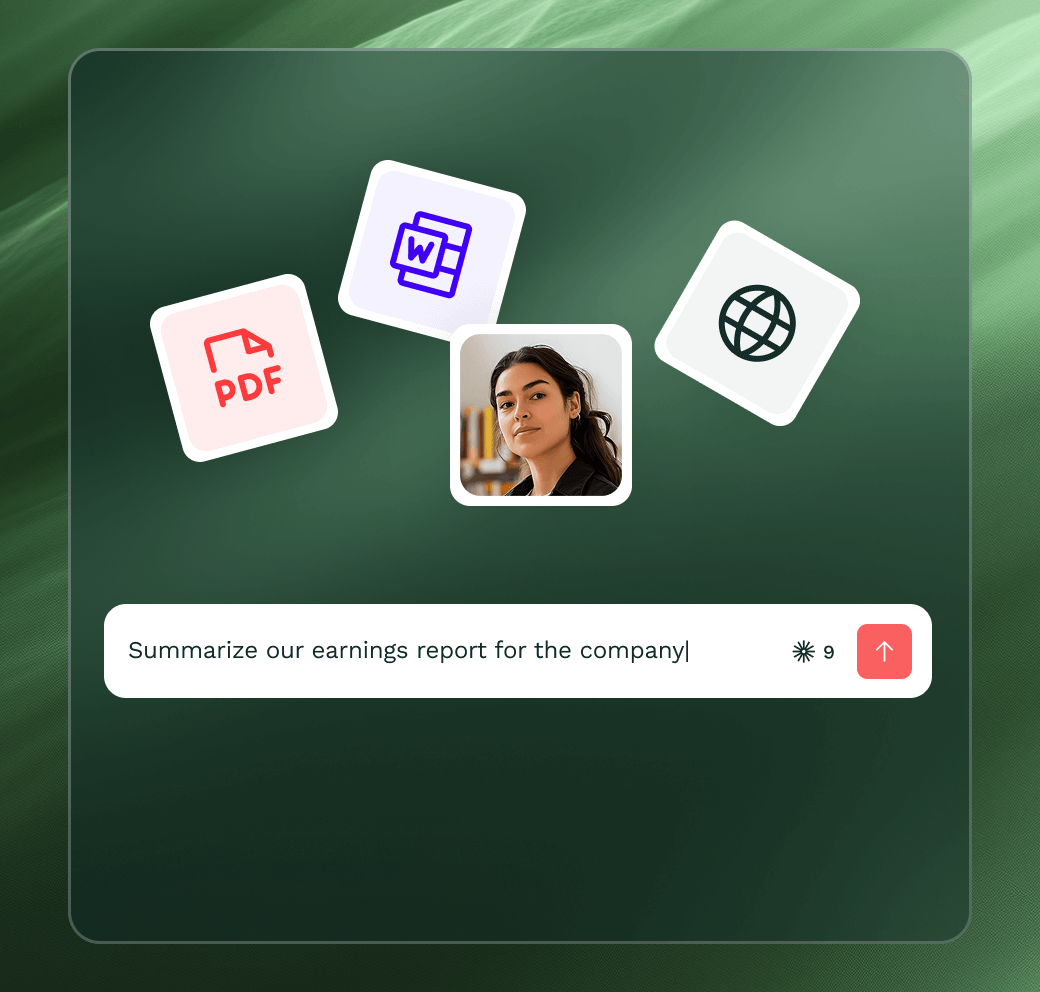
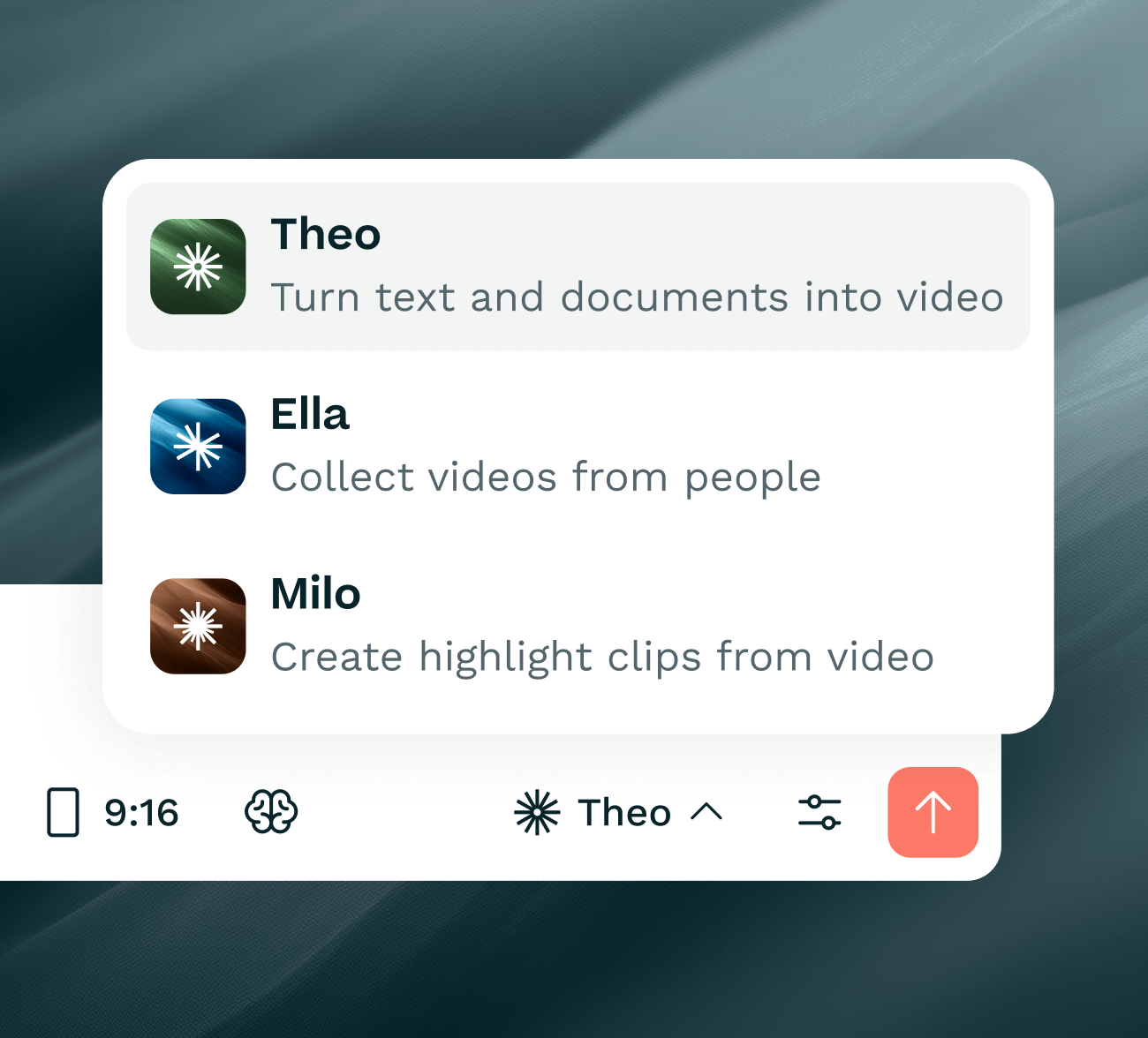
Core approach: Synthesia uses AI avatars and AI voices to present your script, and you can create custom avatars of real people. cofenster uses three AI Video Agents: Milo turns existing recordings into short clips, Ella guides real employees through recording, and Theo turns text into video.
Real people on camera: with Synthesia, real people appear through personal or custom avatars, often called digital twins. With cofenster, recording real employees is the core use case, and the consent of everyone on camera is collected inside the product before recording.
Existing recordings: Synthesia's focus is creating new videos from text, and its AI Dubbing localizes existing videos. cofenster's Milo is built to find the strongest moments in town halls, webinars and interviews and turn them into short clips for LinkedIn, YouTube Shorts and the intranet.
Languages: Synthesia lists more than 160 languages, more than 1,000 AI voices and AI Dubbing with lip sync (Synthesia Help Center, 2026). cofenster offers Dubbing that translates finished videos with AI voices.
Brand control: Synthesia offers Brand Kits that you configure, listed on its Enterprise plan (Synthesia pricing page, 2026). cofenster implements your logo, fonts, colours, intro and outro as Brand Templates during onboarding, so every video from Milo, Ella and Theo is on-brand without anyone configuring it.
Security and compliance: Synthesia lists SOC 2 Type II, ISO/IEC 27001, 27701 and 42001 and GDPR compliance with EU data residency. cofenster is ISO/IEC 27001:2022 certified, GDPR compliant and EU AI Act compliant, hosts data on servers in Germany and never uses customer content to train third party AI models.
Company: Synthesia was founded in 2017 and is based in London (Synthesia, 2026). cofenster was founded in 2019 and is based in Hamburg.
Pricing: Synthesia offers a free Basic plan, paid Starter and Creator plans and custom Enterprise pricing on a usage model. cofenster sells annual enterprise subscriptions, with pricing on request.
Why do real faces matter for internal communication?
Internal comms lives or dies on trust and reach, and real colleagues carry both. Around 80% of the global workforce is deskless (Haiilo, 2025), and more than 83% of frontline workers have no corporate email address (Workshop, 2025). A short video of a familiar manager, sent to the channels those employees use, reaches people that a memo never will.
Video also sticks. Employees retain about 95% of a message they watch, compared with about 10% of a message they read (SundaySky, 2026), and 82% say they feel more engaged with video based communication (SundaySky, 2026). Avatars can deliver information efficiently. For a leadership message, a change announcement or an employee story, a recognisable face is usually the point.
That is why the fit question matters more than the feature list. 77% of communicators already use AI tools to help produce content (Connecteam, 2026). The real decision is whether AI should replace the person on screen or help real people show up more often.
When is Synthesia the better choice?
Synthesia is a strong fit when you need a large library of presenter led training modules and want an AI avatar to present them consistently. It also fits when you localize the same video into dozens of languages with lip sync, or when your developers want to build live, interactive avatars into your own product through an API.
When is cofenster the better choice?
cofenster is the better fit when your audience should see real colleagues and leaders, not avatars. It fits when you already have town halls, webinars and interviews that nobody watches in full, and you want one recording to become weeks of content. It also fits when brand consistency is the main worry and you want brand rules implemented for you, and when procurement, data protection or your works council expect hosting in Germany, a German contract partner and clear AI labelling under the EU AI Act.
Key takeaways
Decide the job first. Avatar led training at scale points to Synthesia. Real people, existing recordings and brand controlled comms point to cofenster.
Real faces build trust. With 80% of the workforce deskless and video retention far above text, a familiar face in a short clip reaches people that memos miss.
Brand control works differently. Synthesia gives you Brand Kits to configure. cofenster sets up Brand Templates for you, so every output stays on-brand.
Check where data lives. Both keep data in Europe. cofenster hosts in Germany and never trains third party models on your content.
See cofenster with your own recordings
If your comms or HR team wants real employees on screen and your recordings working harder, bring a recent town hall or webinar to a live demo. We will show you what Milo, Ella and Theo do with it, on-brand from the first clip.
Frequently asked questions
How do cofenster and Synthesia prices compare?
Synthesia offers self serve plans starting with a free Basic plan and moving to paid Starter and Creator plans, plus custom Enterprise pricing on a usage model. cofenster sells annual enterprise subscriptions that include Brand Templates onboarding, with pricing on request. Because the models differ, compare the total cost for the volume and teams you actually plan to support.
Can a company use cofenster and Synthesia together?
Yes. The platforms cover different jobs, so some enterprises use an avatar tool for training modules and cofenster for internal communication, employer branding and marketing video. If you do, align both on the same brand guidelines and the same AI labelling standard so employees get a consistent experience.
Information about Synthesia comes from Synthesia's own website and help centre and was checked on 25 September 2026. Features and plans change, so please check synthesia.io for the latest details.